
The apprenticeship system is one of the most enduring forms of vocational mentorship. From ancient Egypt and Babylonia to medieval guilds and today’s preservation job sites, skills have been passed down through close, hands-on relationships between mentors and learners. This National Mentoring Month, we recognize the tradespeople who don’t just build and preserve historic places, they mentor the next generation to carry this work forward.
For centuries, apprenticeships have been the primary way skilled trades were learned, refined, and passed on. Long before formal classrooms, certifications, or digital tutorials, people learned by working side by side with someone who had already mastered the craft. Apprenticeships are a structured way of learning a trade or profession that requires mentorship of an untrained apprentice by an experienced practitioner – often called a master or journeyperson. This is done through paid hands-on work with guided instruction from a master or journeyperson. This model stretches back thousands of years, in the Code of Hammurabi from ancient Babylon there are laws that required master craftsmen to train their apprentice.
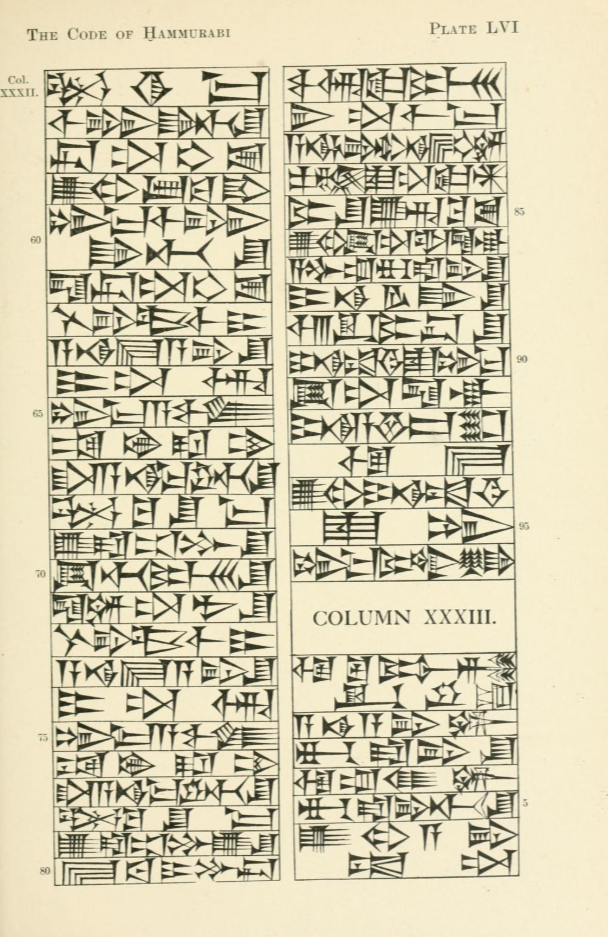
If an artisan take a son for adoption and teach him his handicraft, one may not bring claim for him. If he do not teach him his handicraft, that adopted son may return to his father’s house.
The Code of Hammurabi _ 2250 BCE
Apprenticeships: Learning Through Relationship
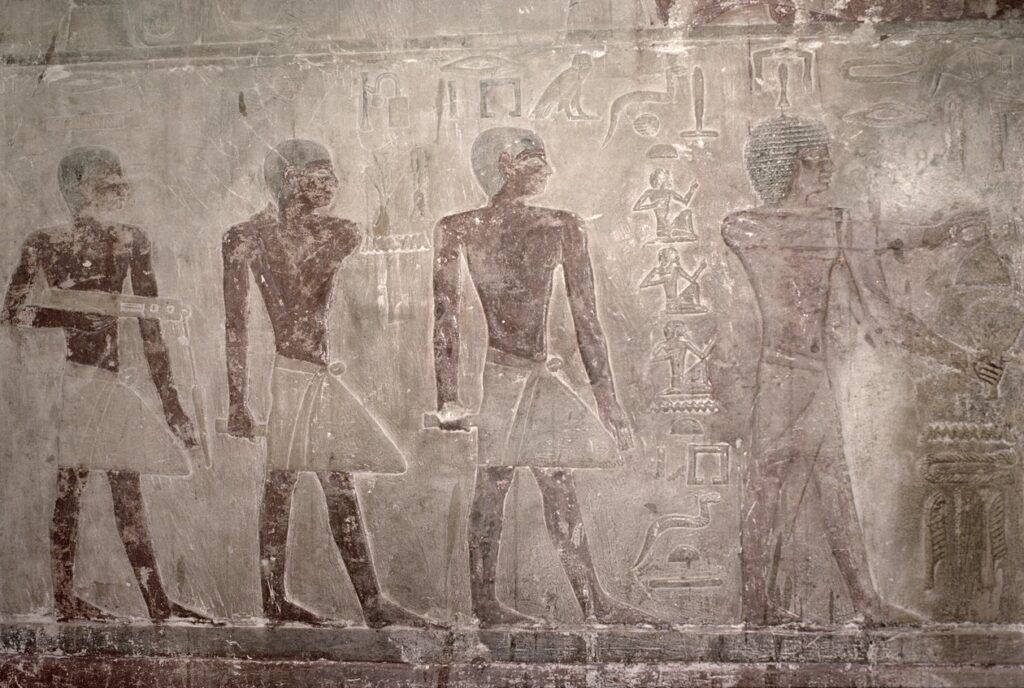
An apprenticeship has always been more than a job or a training program. Traditionally, it was a long-term relationship built on trust, responsibility, and shared purpose. Apprentices often began their training at a young age, and in ancient Egypt, they even referred to their mentors as “father,” reflecting the depth of that bond.
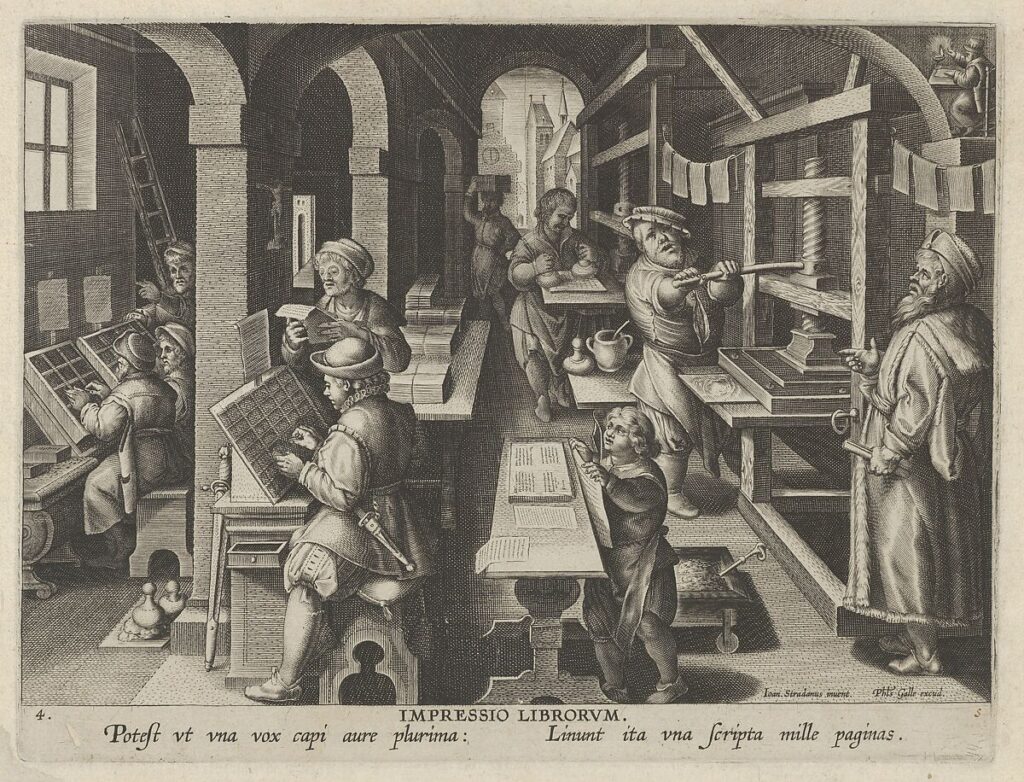
In medieval Europe, this relationship was formalized through guild systems, where master craftspeople oversaw the practice of their trades within a town or city. Guilds incorporated apprenticeships to maintain high standards of craftsmanship and ensure skills were passed down to future generations. In this system, master craftspeople took on young apprentices, offering food, lodging, and formal training in return for their labor. Apprentices learned by watching, practicing, and receiving corrections, gradually earning more responsibility as their skills grew. This close, hands-on mentorship ensured that techniques, tools, and professional values were carefully preserved and passed down.
Apprenticeship traditions crossed the Atlantic with European settlers and became foundational in early America. Many well-known historical figures learned their trade through apprenticeship, including Benjamin Franklin, who trained as a printer under his brother (learn more about this here). As America industrialized, apprenticeship models evolved but mentorship remained central. Even as machines changed how work was done, learning directly from experienced workers continued to be the most effective way to develop skill and judgment.
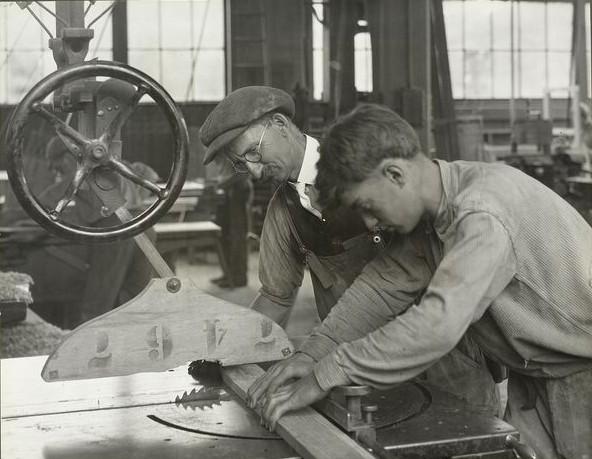
Apprenticeship has remained a necessary part of craft industries, in spite of industrialization. Even as machines changed how work was done, learning directly from experienced workers continued to be the most effective way to develop skill and judgment.
Carrying the Tradition Forward
Mentorship remains essential in the historic trades because many preservation skills cannot be fully captured in books or videos. They rely on experience, touch, sound, and intuition – knowledge developed over time and passed from one person to another. Through mentorship, apprentices learn how historic materials behave, how to adapt techniques to aging structures, and how to balance durability, authenticity, and safety in real-world conditions.
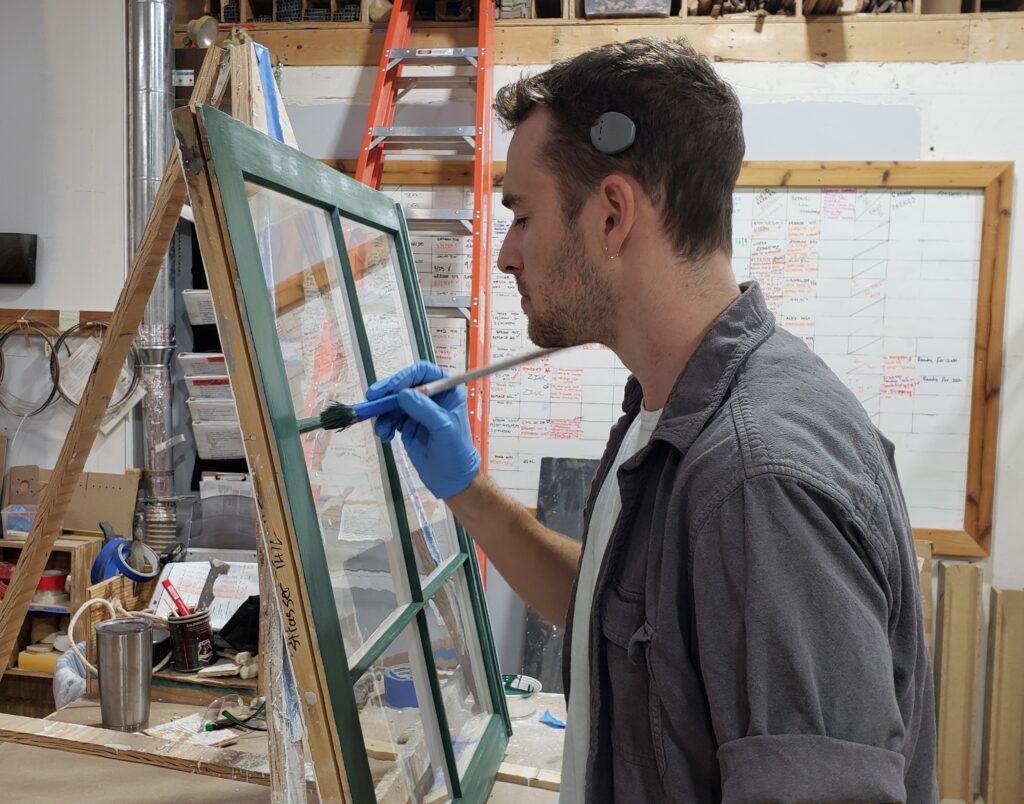
National Mentoring Month offers a chance to honor the tradespeople who make this transfer of knowledge possible. In the trades, mentors are more than instructors – they are stewards of history. Every mentor helps preserve skills rooted in generations of craft and ensures the integrity of historic places endures. Their impact extends far beyond a single job site, shaping the future of preservation by keeping these trades hands-on, human, and deeply skilled.
Ready to be part of this living tradition?
Whether you’re looking to learn a historic trade or share your hard-earned expertise, explore our Apprenticeship Program and Train & Mentor opportunities on historictrades.org to help carry these skills forward.